

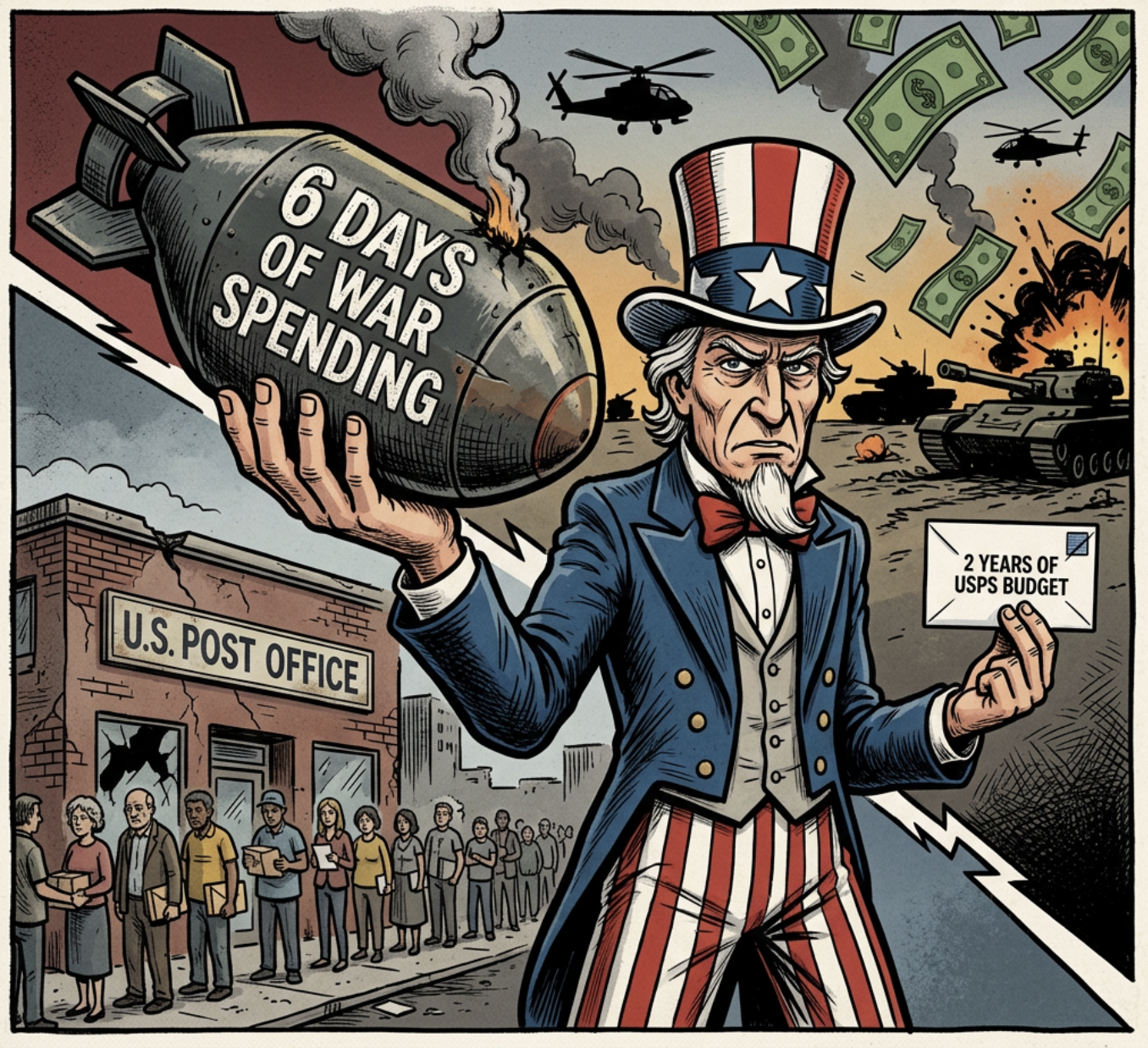
The United States Post Office in CRISIS.
This post argues that the United States Postal Service is facing a financial crisis driven by rising labor costs, retiree obligations, and broader government spending priorities. It contrasts postal losses with high military expenditures to highlight what it يرى as misplaced national priorities, while warning of severe economic consequences if the system collapses—including job losses, business closures, and disrupted mail delivery. The piece ultimately advocates for removing the USPS from congressional control and transitioning to privatization, suggesting that market-driven solutions could improve efficiency, reduce costs, and preserve long-term service.
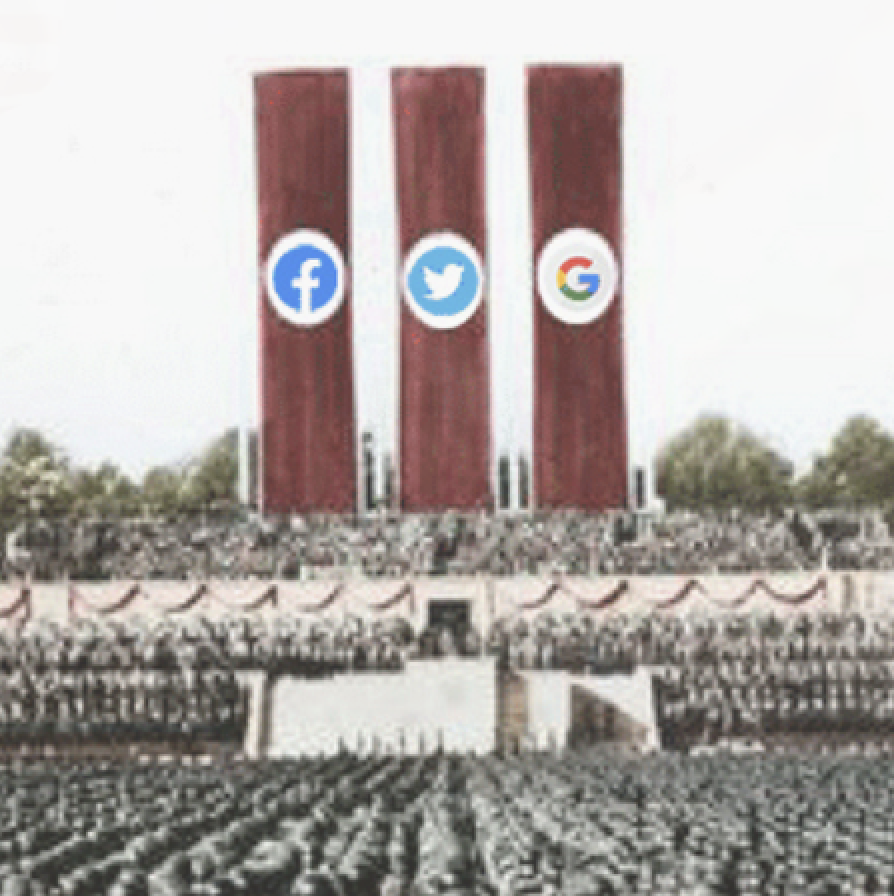
Christianity, Conservatism, and the U.S. Constitution.
F Street Partners outlines its commitment to “the Three C’s”—Christianity, Conservatism, and the U.S. Constitution—as the foundation of American exceptionalism. The firm argues that rising censorship, government overreach, and cultural shifts driven by leftist ideology have marginalized traditional values and limited free expression. In response, F Street Partners has adapted its business model to support clients facing deplatforming, legal pressure, and communication barriers, while building alternative systems to bypass restrictions. Emphasizing resilience and advocacy, the firm positions itself as a strategic partner dedicated to mobilizing like-minded Americans and defending free speech, liberty, and constitutional principles.
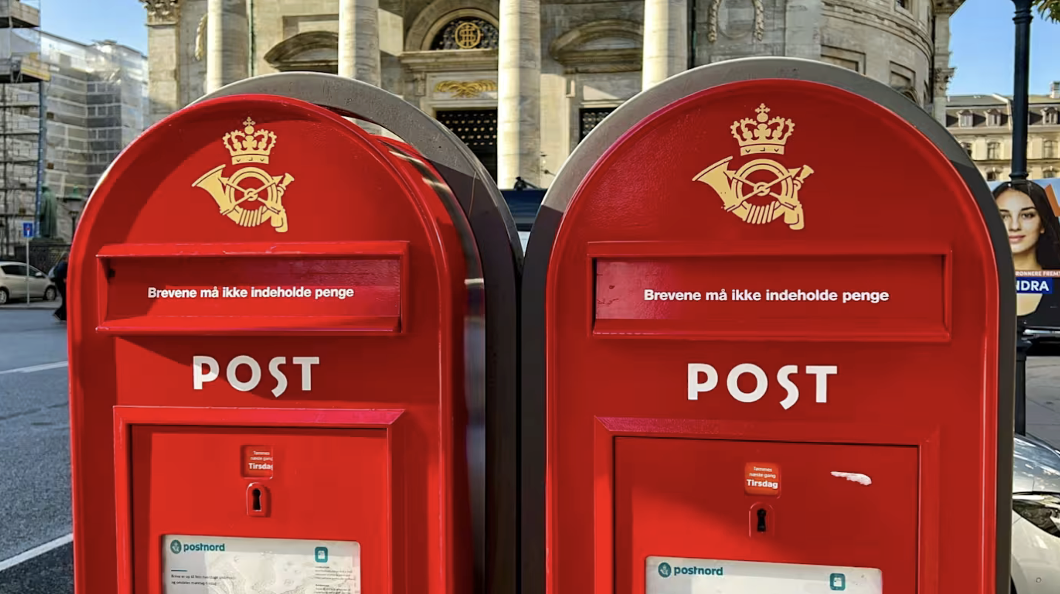
Death of the Printed Letter...or are the Reports of its Death Greatly Exaggerated?
“Less than two weeks before Christmas, Danes are sending their last Christmas cards. Not their last for this year, but the last ever to be delivered by the national postal service. From the year-end, PostNord — which traces its history in Denmark back to 1624 — will cease carrying letters and handle only packages. Denmark will surely not be the last country to end home letter deliveries by a national carrier. It is a step that portends something bigger: the twilight of the physical letter itself.”